
Why Regular Treatment Matters for Padel Players

Padel has grown rapidly in popularity, and with it, a recognisable pattern of injuries. While the sport may appear less demanding than lawn tennis, padel places unique and repeated stresses on the body that can quietly accumulate over time. Regular, informed treatment plays an important role in keeping padel players on court — not by “fixing” problems as they arise, but by supporting recovery, managing load, and identifying early signs of overload before they become injuries.
The Unique Physical Demands of Padel
Padel is characterised by frequent rotational movements, short explosive efforts, and repeated use of the dominant arm. Unlike some racket sports, rallies are often longer, with less rest between points and a high volume of similar strokes.
This creates predictable stress patterns, particularly through:
The shoulder and rotator cuff
The elbow and forearm tendons
The thoracic and lumbar spine
The hips, calves, and Achilles during repeated direction changes
These loads are not inherently harmful. Problems arise when recovery does not keep pace with demand.

Why Padel Injuries Are Often Gradual
Most padel-related pain does not start with a single incident. Instead, players often notice a gradual pattern:
Stiffness or soreness after matches
Elbow or shoulder discomfort that settles, then returns
Reduced power or confidence on certain shots
Niggles that worsen as playing frequency increases
These signs usually reflect reduced load tolerance rather than tissue damage. Ignoring them often leads to enforced rest later.
The Role of Regular, Clinically Informed Treatment
Regular treatment delivered by a practitioner who understands anatomy, biomechanics, and sports injury allows ongoing monitoring rather than reactive care.
For padel players, this supports:
Early identification of tissue overload or compensation
Management of excessive muscle guarding from repetitive play
Maintenance of movement quality between sessions
Informed advice around training volume and recovery
This approach is proactive — focused on keeping players playing, not waiting for injury.
Why Padel Requires More Than Occasional Massage
Generic or infrequent massage may reduce soreness, but without understanding the demands of padel, it risks being purely symptom-led.
Clinically informed treatment considers:
Dominant-side loading and asymmetry
Repetitive overhead and mid-range shoulder work
High rotational demands through the trunk
Interaction between padel, gym training, and everyday load
Previous shoulder, elbow, or back issues
This context allows treatment to support performance rather than simply chase discomfort.
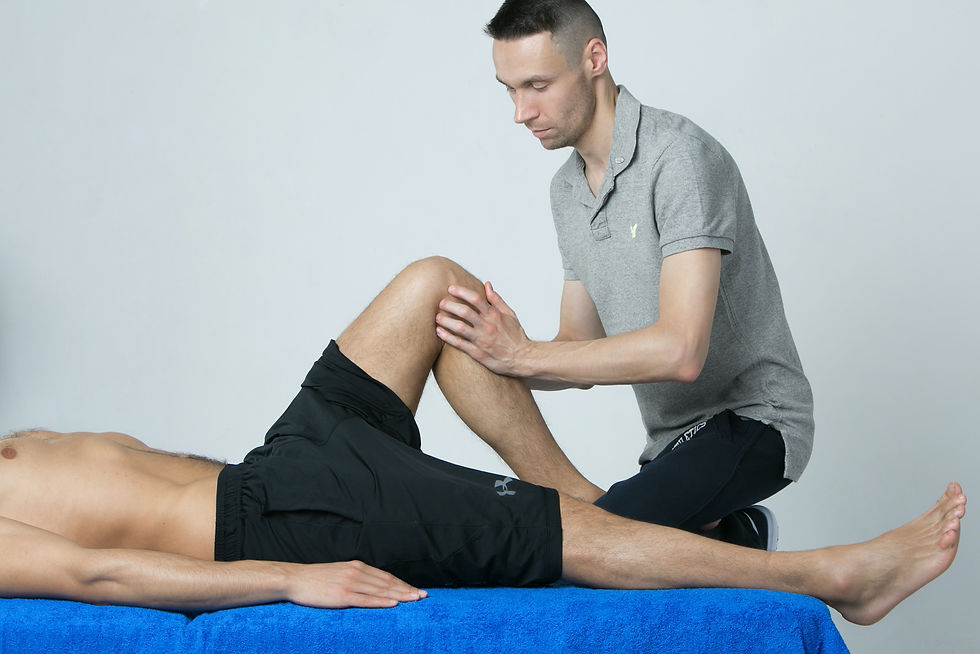
Supporting Recovery Without Creating Dependence
Regular treatment is not about constant hands-on care. Its value lies in supporting adaptation, not replacing strength, conditioning, or rehabilitation.
For padel players, effective treatment often involves:
Reducing unnecessary muscle tone that limits movement
Improving comfort and confidence between matches
Highlighting when strength or load management needs attention
Encouraging consistency rather than stop-start training
The aim is resilience, not reliance.
Why Consistency Protects Longevity
Many padel players increase playing frequency quickly — leagues, socials, tournaments — often alongside gym training. Sudden increases in load are a well-established risk factor for injury.
Regular treatment helps manage these transitions by identifying when tissues are struggling to keep up, allowing adjustments before pain forces time off court (Gabbett, 2016).
Who Benefits Most From Regular Treatment
Regular treatment is particularly valuable for padel players who:
Play multiple times per week
Compete regularly or play tournaments
Combine padel with strength training
Have a history of shoulder, elbow, or back pain
Want to improve performance while reducing injury risk
In these cases, treatment becomes part of performance longevity, not injury management alone.
Key Takeaway
Padel places repeated, asymmetrical demands on the body that often lead to gradual overload rather than sudden injury. Regular treatment delivered by a clinically trained practitioner supports recovery, identifies early warning signs, and helps players stay consistent on court. When integrated with sensible load management and strength work, regular treatment plays a valuable role in keeping padel players active, confident, and performing well over time.
References:
Gabbett, T.J. (2016) ‘The training–injury prevention paradox: should athletes be training smarter and harder?’, British Journal of Sports Medicine, 50(5), pp. 273–280.
Pluim, B.M., Miller, S., Dines, J. et al. (2016) ‘Upper extremity injuries in tennis players: diagnosis, treatment, and prevention’, British Journal of Sports Medicine, 50(11), pp. 651–658.
Kibler, W.B. and Sciascia, A. (2010) ‘Current concepts: scapular dyskinesis’, British Journal of Sports Medicine, 44(5), pp. 300–305.
Bialosky, J.E., Bishop, M.D., Price, D.D., Robinson, M.E. and George, S.Z. (2009) ‘The mechanisms of manual therapy in the treatment of musculoskeletal pain: a comprehensive model’, Manual Therapy, 14(5), pp. 531–538.


Comments